
The sales funnel is a great visual to help us understand where a prospective customer is in the sales process. What happens to your prospect as it moves through your funnel will determine if that prospect becomes a new client or gets stuck in the funnel’s middle due to malnutrition.
The funnel starts with prospect interest or awareness and hopefully ends in the conversion of prospect to client. Many organizations are great at drawing prospects into the top of the funnel but fall short at moving the prospects further. Successful sales organizations use several strategies to move their prospects through their funnels. They avoid “Mid-Funnel Malnutrition” by using high touch, consistent follow up and prospect data to engage their prospects during their sales cycles.
Why do some companies fail to move prospects through their sales funnel? There are many reasons yet several stand out:
- Follow up is sparse and inconsistent.
- Outreach is cookie-cutter in tone and content and does not respond to the personal needs of the prospective buyer.
- Personal touch is limited.
- The prospect is not really qualified.
These companies have not applied sufficient resources to nurture middle funnel prospects. Without nutrition, these prospects fall by the wayside.
As a prospect moves through your funnel, the nature of your interaction changes. In some ways, getting prospects to enter the funnel is the easy part. Nurturing them through the middle of the funnel takes time and effort.
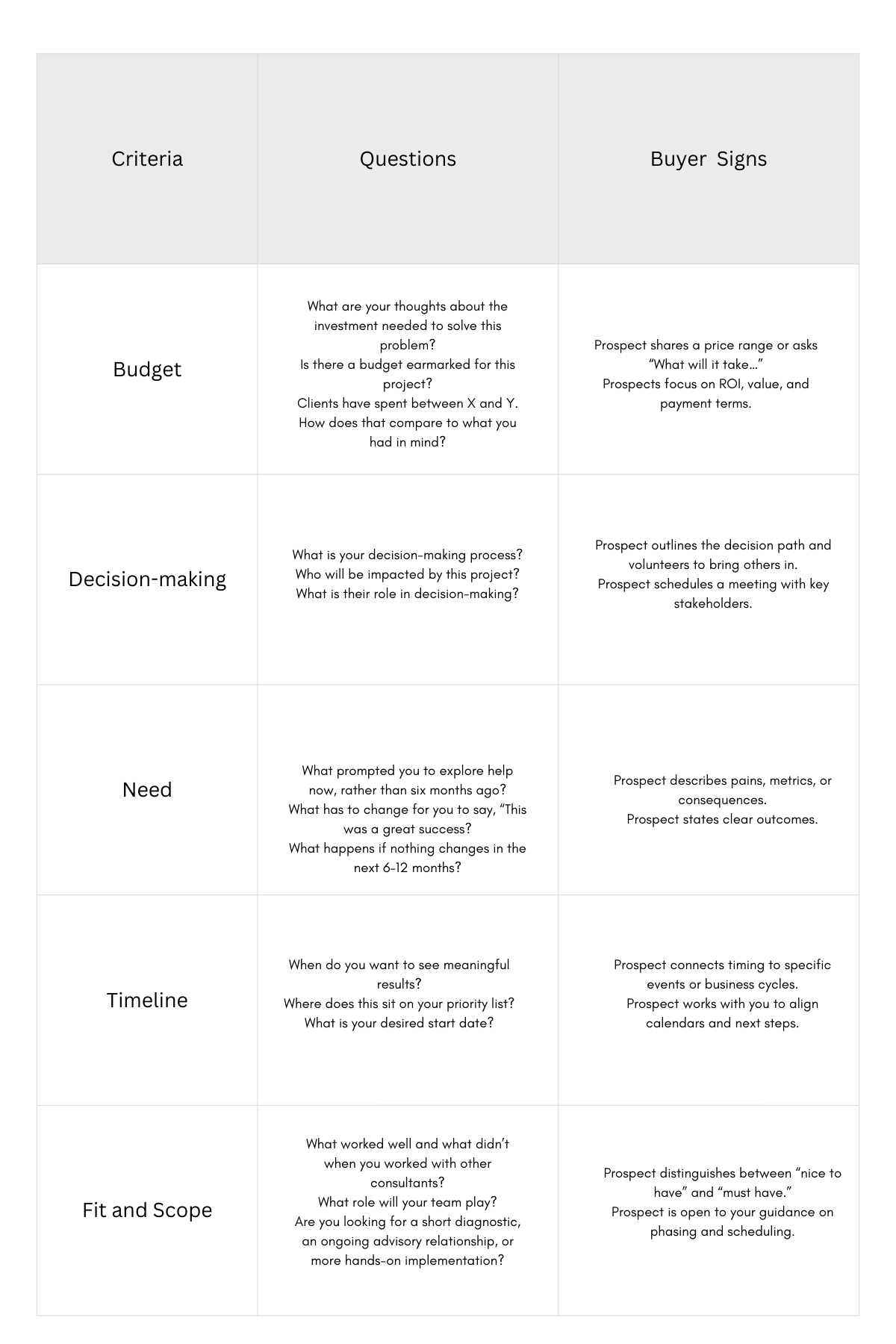
From the beginning of the funnel, collecting prospect data is your priority. This data helps you understand their needs, preferences and buying habits and gives you the opportunity to manage the dialogue and ask questions. As you build your prospect’s profile, you can engage with them using personalized and automated outreach to supply educational material and drive them to a landing page on your website.
Second, cookie cutter content and generic messaging will not work for middle of the funnel nurturing. This is the point that the prospect will make a decision about you as an organization. Do you understand their need? Are you listening and providing a detailed solution? If they feel like you are just feeding them with “Why we are the best” information, they will move on. Make sure to use the data collected along the sales process to create genuine and authentic content that answers their questions.
A CRM is a great platform that you can use to collect and house the data. Many CRMs have automation features that allow you to nurture your prospect based on the data that is collected. A CRM keeps your sales team on the same page with the prospective customer. There is nothing wrong if a prospect talks to different sales members, but if they feel like they are being interrogated with the same questions every time, they will go elsewhere. Their time is valuable, so collecting data in a CRM is a way to ensure a continued conversation over an interrogation.
Last, you need to lead with your personal touch. When prospects reach the middle of the funnel, they expect your engagement on a “High Touch” level. Make your prospect feel important and you will increase your sales conversion rate. Prospects want to be valued and not made to feel like just another number in the salesperson’s quota. Ask them if they have had all their questions answered and they will appreciate your gesture.
So how do you generate all the outreach and follow up needed to move your prospects to a sale? Use a Customer Relationship Management (CRM) software system to manage your sales funnel, your prospects, clients and actions necessary to make more sales. An effective CRM enables you to share information with your sales team, creates follow up actions for you, sends targeted email and text campaigns based on your criteria to select recipients and lets you measure your results.
An effective CRM does not replace the “High Touch” approach referred to earlier. Rather, it complements your high touch, providing the backbone needed to build a durable sales pipeline. If your prospects suffer from middle funnel malnutrition or you have business cards piling up in the corner of your desk, please click here.