
What is your reaction when someone says, “I can sell my service to everyone” or “I don’t need a sales process”? I doubt the first unless you sell soap. On 2, buyers benefit from an organized selling process that makes buying easy.
What can you do to improve your sales?
Narrow Ideal Customer and Offer
Selling “to everyone” kills focus. You need a tight customer profile and a specific problem you solve. This lets you, the owner or VP of sales, prioritize a high-quality target list instead of “spray and pray” outreach.
Once you know the problem, find prospects that suffer that problem. When you know the service gaps, define your offer to interest your prospect.
For an engineering firm, the ideal client is “A Midwest manufacturer with 50–200 employees who need to meet new safety regulations.” The firm created their top 50 list, used language to respond to the regulatory threat, and closed new sales.
Build One Simple, Shared Sales Process
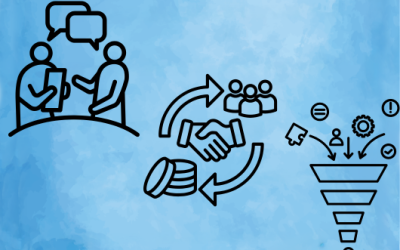
Businesses often let salespeople do their own thing, leading to inconsistent results and limited improvement. An effective sales process interests and qualifies the buyer. It starts with a precise prospect list, followed by discovery, proposal, and decision.
For a public relations firm where each salesperson sold differently, salespeople now schedule a 30-minute discovery call and send a recap with goals, metrics, and a proposal. Closing rates have risen as buyers see a straightforward process.
The Sales Command Center
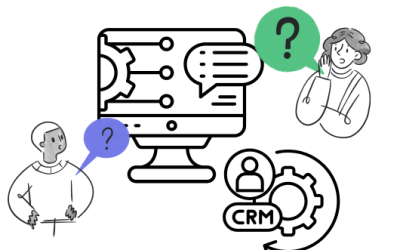
Make your CRM the Central Command Center and eliminate fuzzy sales pipelines, dropped balls, sticky notes, and spreadsheets. As the boss, the CRM enables you to manage based on data not gut feel.
For a distributor, the sales team set up its sales funnel stages: Lead → Qualified → Proposal Sent → Verbal Yes → Closed Won/Lost.
The Sales VP runs a 30-minute weekly pipeline meeting; each rep has a next step scheduled and prospects without activity for 14 days triggers an automatic reminder to the VP and sales rep to follow up.
Now, the firm sees fewer “ghosted” deals and shorter sales cycles.
Make Sales A Team Sport
As business owners, we suffer pressure to sell, deliver, and manage the revenue cliff. Break sales into 3 parts: Door opener, presenter, and door closer. Assign the “opener” role to your sales team. Let your sales rep bring you in once the prospect is real.
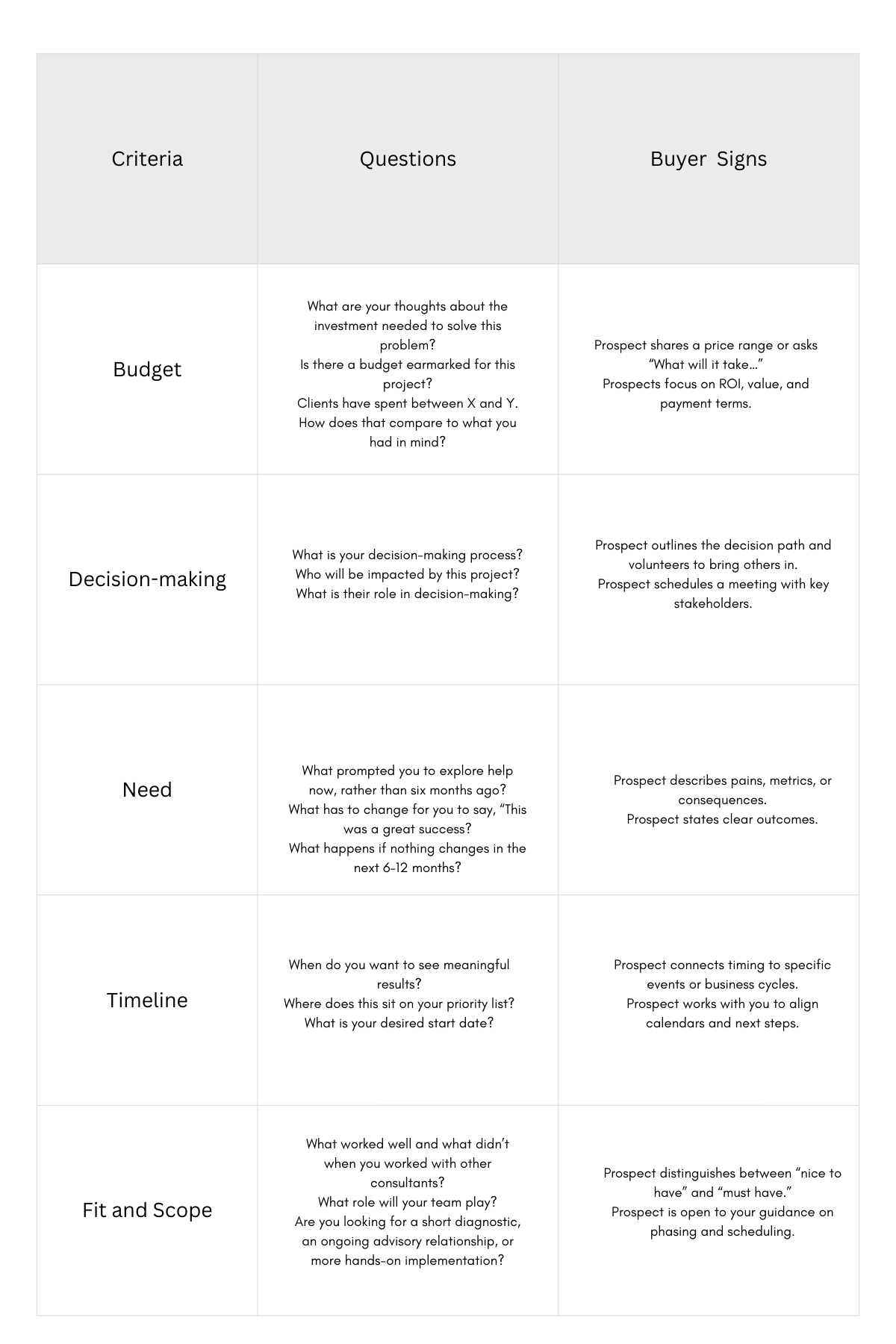
For an IT services firm, the sales team qualifies leads and introduces the technical team once the prospect’s budget and timeline are known. The specialist asks deeper questions, shares a case study, and sketches implementation steps.
This “Seller-Doer” model builds buyer confidence and improves closing rates.
Systemize Follow-Up to Close Sales
Most lost revenue comes from inconsistent follow-up. Knowing your ideal customer, understanding its pain points, and solving its problems is the goal.
An effective sales process, backed by a robust CRM, will free you up for your best prospects and create a profitable and sustainable sales pipeline.
Let’s Connect So You Can Close More Sales!